Investing Wisely in Uncertain Markets

Posted on: 2025-12-12
By: Elena Voss
What if the key to successful investing lies not just in the assets you choose, but in your understanding of market dynamics? With the right insights, you can turn uncertainty into opportunity.
What You Will Learn
- Market uncertainty is driven by economic indicators, geopolitical events, and market sentiment, all of which can influence investment decisions.
- During economic volatility, investors often gravitate towards safer assets like bonds, which can limit growth potential if overused.
- Understanding herd behavior and media influence can help investors maintain a rational approach, avoiding impulsive decisions based on fear or excitement.
- Incorporating ESG factors into investment strategies not only aligns with ethical considerations but also enhances long-term sustainability and risk management.
- Utilizing economic indicators such as GDP, unemployment rates, and inflation enables investors to make informed, data-driven decisions to navigate market fluctuations.
- Creating a personalized investment roadmap tailored to your financial goals and risk tolerance is essential for achieving long-term success in unpredictable markets.
- Collaborating with a financial advisor can provide customized strategies, ongoing support, and valuable educational resources to enhance your investment journey.
Market Uncertainty: Key Drivers & Investment Impact
Understanding the core factors that drive market uncertainty and their subsequent effects on investment decisions is crucial for navigating volatile markets.
Key Drivers of Market Uncertainty
- Economic Indicators: GDP, unemployment, inflation.
- Geopolitical Events: Instability, trade wars, policy changes.
- Market Sentiment: Investor emotions & speculation.
Effects on Investment Choices
- Flight to Safety: Bonds, gold over growth.
- Market Timing: Impulsive decisions & potential losses.
- Diversification Needs: Highlighted risk mitigation.
Understanding Market Uncertainty and Its Implications on Investments
Investing can often feel like a rollercoaster ride, with the market's ups and downs creating a whirlwind of emotions. At Lossless Investments, we understand how market uncertainty can impact your financial journey. It’s crucial to navigate these turbulent waters with a clear understanding of the factors at play. Let’s explore the key drivers of market uncertainty and how they can affect your investment choices.
Defining Market Uncertainty: Key Drivers
Market uncertainty arises from various factors that can influence economic stability and investor confidence. Some of the major drivers include:
- Economic Indicators: Data such as GDP growth, unemployment rates, and inflation can signal economic health or crisis.
- Geopolitical Events: Political instability, trade wars, or changes in government policy can create unpredictability in markets.
- Market Sentiment: Investor emotions and perceptions can lead to sudden market shifts, often based on news or speculation.
Understanding these drivers helps you make informed investment decisions. For instance, if inflation is on the rise, it might be wise to consider assets that tend to perform better in such conditions.
The Effects of Economic Volatility on Investment Choices
Economic volatility can dramatically alter your investment landscape. During periods of uncertainty, many investors tend to shift their strategies, often leading to impulsive decisions. Here’s how it can affect your choices:
- Flight to Safety: Investors often flock to safer assets like bonds or gold during turbulent times, potentially missing out on long-term growth opportunities.
- Market Timing: Trying to time the market can backfire, leading to losses if you react hastily to economic news.
- Diversification Needs: Economic shifts may highlight the importance of a diversified portfolio to mitigate risks.
At Lossless Investments, we advocate for a balanced approach that prioritizes risk management while still seeking growth.
Market Sentiment and Its Influence on Investment Decisions
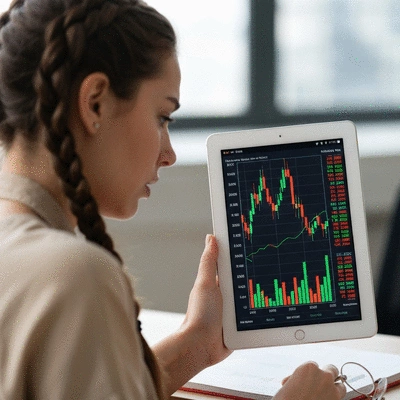
Market sentiment can sometimes feel like a force of nature, swaying investor behavior in surprising ways. This emotional aspect of investing can lead to irrational decisions based on fear or euphoria. Here are some key points to consider:
- Herd Behavior: Many investors follow the crowd, which can lead to inflated asset prices or panic selling.
- Media Influence: News outlets can shape public perception, often amplifying fears or optimism about market conditions.
- Long-Term vs. Short-Term Focus: Understanding your investment horizon can help you resist the pull of momentary market sentiment.
By keeping a cool head and focusing on your long-term goals, you can make more rational decisions. Remember, investing is a marathon, not a sprint!
Pro Tip
In times of market uncertainty, consider implementing a systematic investment plan. This approach involves investing a fixed amount regularly, regardless of market conditions. By doing so, you can take advantage of dollar-cost averaging, which helps reduce the impact of volatility on your overall investment. This strategy not only smooths out the purchase price over time but also encourages disciplined investing, allowing you to stay focused on your long-term financial goals.
Long-Term Resilience: Preparing for Future Economic Landscapes
As we navigate an ever-changing economic landscape, it’s essential to focus on long-term resilience. Preparing for future uncertainties involves understanding the factors that can impact our investments. This section will delve into how geopolitical risks, ESG considerations, and economic indicators can shape our investment strategies for the years to come.
By anticipating potential challenges and integrating these critical elements into our plans, we can pave a more secure path for our financial futures at Lossless Investments. Let’s explore these topics in detail!
Anticipating Geopolitical Risks and Market Changes
Geopolitical events can create significant shifts in market stability, affecting everything from commodity prices to international trade. Understanding these risks is crucial for making informed investment decisions. Here are some key factors to consider:
- Global conflicts: Wars and tensions can lead to market volatility.
- Trade policies: Changes in tariffs and trade agreements affect business operations.
- Regulatory changes: New laws and regulations can impact specific industries.
By staying informed on these geopolitical developments, we can proactively adjust our investment strategies to mitigate potential risks and seize opportunities as they arise.
Integrating ESG Factors into Risk-Minimized Approaches
In today's investment world, integrating Environmental, Social, and Governance (ESG) factors is becoming increasingly important. This approach not only aligns with ethical investing but also helps manage risk. Consider these aspects:
- Environmental impact: Companies with sustainable practices are more likely to succeed long-term.
- Social responsibility: Firms that prioritize community well-being enhance their public perception.
- Governance structures: Strong leadership and ethical management are crucial for business resilience.
By incorporating ESG factors into our investment strategies at Lossless Investments, we can create portfolios that are not only profitable but also socially responsible.

Utilizing Economic Indicators for Informed Investment Decisions
Economic indicators serve as valuable tools that can guide our investment choices. By monitoring these metrics, we can gain insights into market trends and economic health. Here are some key indicators to watch:
- Gross Domestic Product (GDP): Indicates overall economic growth and potential.
- Unemployment rates: Affects consumer spending and economic stability.
- Inflation rates: Influence purchasing power and investment returns.
Utilizing these indicators allows us to make data-driven decisions, enhancing our ability to navigate market fluctuations effectively.
Taking Action: Steps to Implement Risk-Minimized Investment Strategies
Now that we’ve explored the foundations of long-term resilience, it’s time to put these insights into action! Here are the essential steps you can take to implement risk-minimized investment strategies.
Practical Tools for Retail Investors: Calculators and Scenarios
To make informed decisions, utilizing practical tools is essential. Investment calculators can help you assess your financial goals, while scenario planning allows you to evaluate potential outcomes. Here’s how:
- Investment calculators: Use these for assessing potential returns and risk levels.
- Scenario analysis: Explore various market conditions to understand possible impacts.
- Portfolio simulators: Test your strategies in a risk-free environment.
By leveraging these tools, we can enhance our confidence in our investment approaches at Lossless Investments.
Building a Personalized Investment Roadmap for 2025 and Beyond
Creating a personalized investment roadmap is key to achieving your financial goals. This roadmap should reflect your unique circumstances and aspirations. Consider these steps:
- Define your financial goals: What do you want to achieve in the short and long term?
- Assess your risk tolerance: Understanding your comfort level with risk is crucial.
- Establish a diversified portfolio: Balance growth and stability through various asset classes.
By crafting a personalized roadmap, we set ourselves up for success, ensuring that our investments align with our long-term goals.
Understanding the Role of Financial Advisors in Your Investment Journey
Working with a financial advisor can be a game-changer for your investment strategy. Advisors bring expertise and experience that can help you navigate complex market conditions. Here’s how they can assist:
- Customized strategies: Advisors can tailor investment plans to your specific needs.
- Ongoing support: They provide guidance and adjustments as markets change.
- Educational resources: Financial advisors can help you understand investment concepts better.
At Lossless Investments, we believe in the power of collaboration. Partnering with a financial advisor can enhance your investment journey and lead you towards sustainable financial growth.
Summing Up: The Path Forward in Uncertain Markets
As we move forward in these uncertain times, let’s embrace the value of strategic allocation and patience. With the right strategies and tools, we can build resilient portfolios that withstand market fluctuations.
Engaging with continued learning and adaptation is vital for success. Together, we can navigate the complexities of investing and achieve our financial goals. Remember, you have the power to shape your financial future!
Frequently Asked Questions
- What are the key drivers of market uncertainty?
- Market uncertainty is primarily driven by economic indicators (like GDP, unemployment, and inflation), geopolitical events (such as political instability and trade wars), and market sentiment (investor emotions and speculation).
- How does economic volatility affect investment choices?
- Economic volatility often leads investors to a "flight to safety," where they favor less risky assets like bonds or gold. This can sometimes cause them to miss out on long-term growth opportunities. It also highlights the need for a diversified portfolio and cautions against impulsive market timing.
- What is the role of market sentiment in investment decisions?
- Market sentiment, driven by investor emotions and media influence, can lead to irrational decisions like herd behavior or panic selling. Maintaining a long-term focus helps investors resist short-term emotional swings and make more rational choices.
- Why is integrating ESG factors important for risk-minimized investing?
- Integrating Environmental, Social, and Governance (ESG) factors not only aligns investments with ethical considerations but also enhances long-term sustainability and risk management. Companies with strong ESG practices are often more resilient and publicly perceived positively.
- How can economic indicators help in making informed investment decisions?
- Economic indicators such as Gross Domestic Product (GDP), unemployment rates, and inflation rates provide valuable insights into market trends and economic health. Monitoring these metrics enables investors to make data-driven decisions and navigate market fluctuations more effectively.
- What is a systematic investment plan, and why is it recommended during market uncertainty?
- A systematic investment plan (SIP) involves investing a fixed amount regularly, regardless of market conditions. It's recommended during uncertainty because it utilizes dollar-cost averaging, which helps reduce the impact of volatility by smoothing out the purchase price over time and encourages disciplined investing.
- How can a financial advisor assist in my investment journey?
- A financial advisor can provide customized investment strategies tailored to your specific needs, offer ongoing support and adjustments as market conditions change, and supply valuable educational resources to help you better understand investment concepts. They bring expertise to navigate complex markets and foster sustainable financial growth.
Recap of Key Points
Here is a quick recap of the important points discussed in the article:
- Key Drivers of Market Uncertainty: Understand economic indicators, geopolitical events, and market sentiment to make informed investment decisions.
- Effects of Economic Volatility: Be aware of the tendency to shift towards safer assets and the importance of diversification.
- Market Sentiment Influence: Recognize the impact of herd behavior and media on investment decisions; focus on long-term goals.
- Geopolitical Risks: Stay informed about global conflicts, trade policies, and regulatory changes that can affect market stability.
- Integrating ESG Factors: Consider environmental, social, and governance factors to enhance both profitability and responsibility in investing.
- Utilizing Economic Indicators: Monitor GDP, unemployment, and inflation rates to guide investment choices.
- Practical Tools for Decision-Making: Use investment calculators and scenario analysis to assess financial goals and potential outcomes.
- Collaboration with Financial Advisors: Seek tailored strategies and ongoing support to navigate complex market conditions effectively.
 In today's unpredictable financial landscape, understanding the essence of a lossless investment por
 Have you ever wondered how small, consistent investments can lead to significant wealth over time? T
 Investing can sometimes feel like a complex puzzle, especially when it comes to choosing the right i